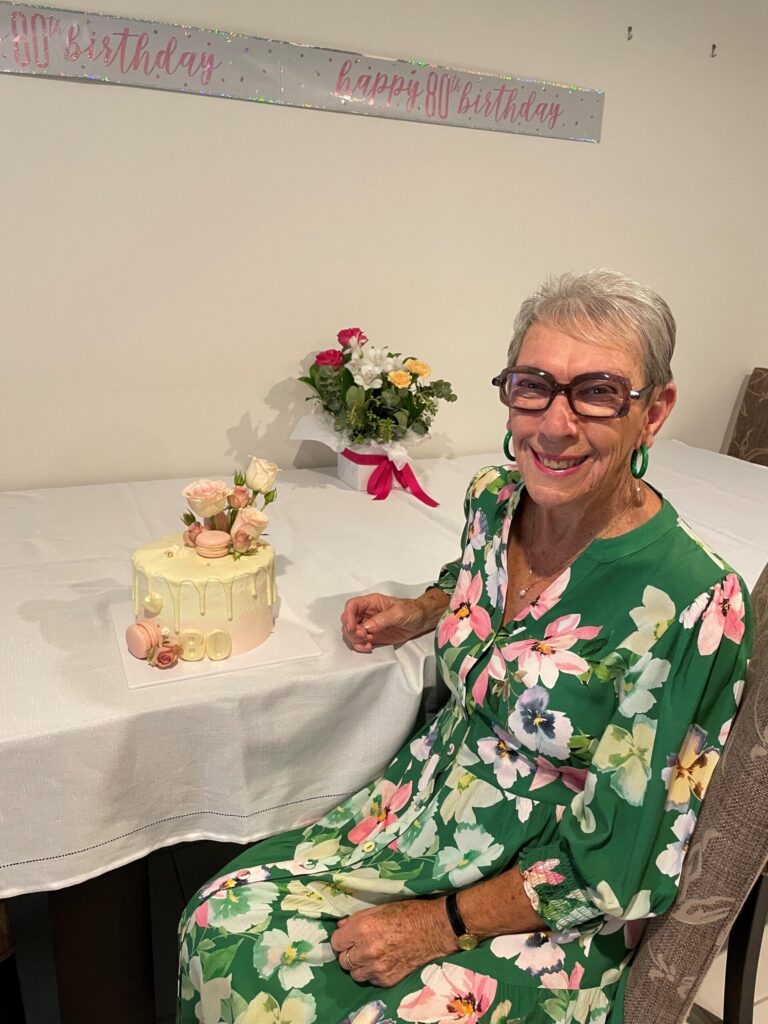
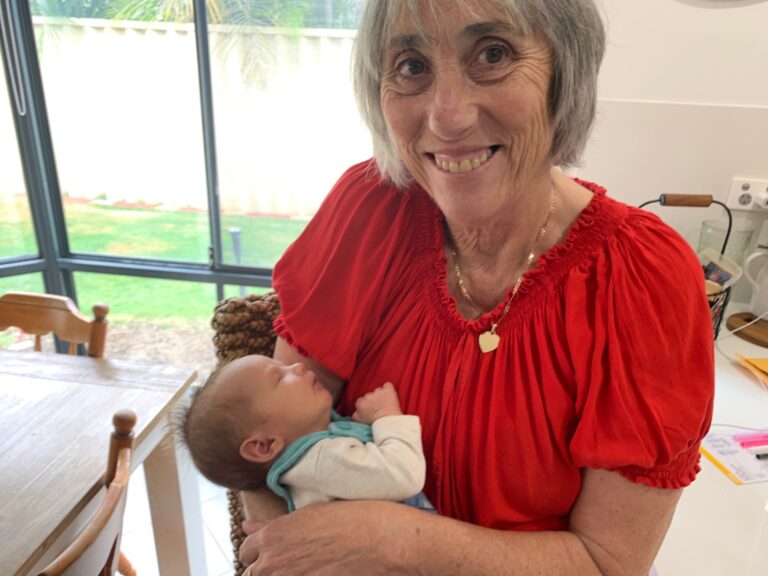
“I feel incredibly lucky it was found when it was.”
In August 2024, I took part in the routine bowel cancer screening program — the test kit that arrives in the mail when you turn 50. One of my samples, which I took while I was constipated, showed a small trace of blood. The other was clear. I didn’t think too much of it at the time — I felt healthy and had no major symptoms — but I booked in for a colonoscopy just to be safe.
That colonoscopy turned out to be life-saving.
During the procedure, the specialist found seven polyps, mild diverticulitis, and — most unexpectedly — a lump in my small intestine, not too far in. I was called back the following week and told I had a small, well-differentiated Grade 1 Neuroendocrine Tumour (NET). I was shocked. I’d never even heard of NETs before.
From that moment, everything moved swiftly. I had a 24-hour urine test, multiple rounds of blood work, a CT scan, a nuclear scan, and an MRI. Every step was clearly explained, and I felt confident that my health care team were following the gold standard in NET management.
Four months later, a second colonoscopy showed the tumour was embedded in the lining of my small intestine. After discussing my options, I made the decision to have a surgical resection to remove it. Thankfully, the surgery was successful. Pathology results showed no remaining cancer markers, and I didn’t need chemotherapy or radiation.
Now, I continue with follow-up care — a yearly nuclear scan and blood tests, with the option to increase to every six months if I feel more comfortable. My specialist is supportive and attentive to what I need to feel confident in my monitoring plan.
I often reflect on how fortunate I am. If I hadn’t done that test — or if my specialist hadn’t been so thorough — this tumour could have quietly progressed. But thanks to early detection, timely intervention, and health care professionals who followed the Optimal Care Pathway for Neuroendocrine Tumours, my outcome is entirely different.
This experience has made me a firm believer in screening, early diagnosis, and specialist NET care. I feel incredibly lucky — and grateful — that my NET was found at such an early, treatable stage.