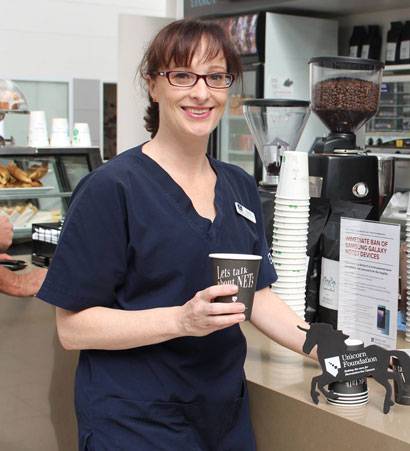
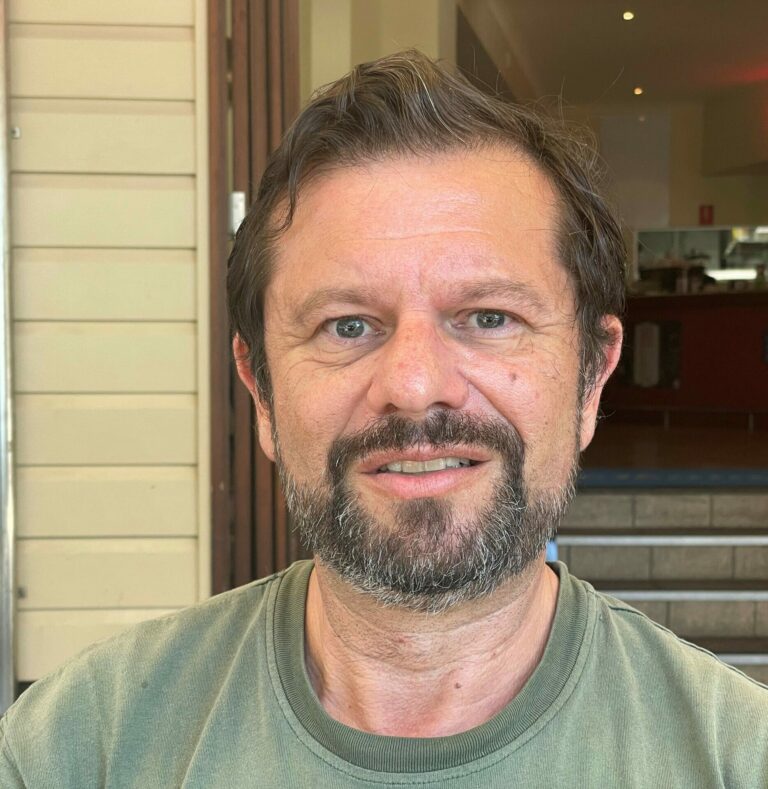
Having a NET, in my case a pheochromocytoma, has had a big impact on my life and that of my family mainly because of the journey to diagnosis. For years I had felt unwell and not my normal self. I was a confident, happy go-getter who had become tired, anxious and nervous without cause and ultimately developed an extra short fuse. My life, relationships and career were being negatively affected by my symptoms which I couldn’t control, understand, or seem to get medical help with. Was I going mad? With the benefit of hindsight I had all the classic symptoms: anxiety, high blood pressure and high heart rate, sweating, and headaches. The pheochromocytoma didn’t show its cards all at once, with symptoms progressing over the years.
Despite disclosing my ongoing and developing symptoms to my GPs and specialists time and time again, my pheochromocytoma wasn’t found until I was admitted to hospital in a catecholaminergic crisis causing a dangerous heart condition. “Thanks” to the heart condition and a specialist who finally listened, my pheochromocytoma was found and evicted.
Undergoing genetic tests and contemplating what the results could mean for my family and our lives was daunting, definitely scary, potentially devastating and life defining, but one of the biggest impacts of having a pheochromocytoma for me was a shift in how I view and interact with the medical and health system. I felt let down. I had to work hard over a number of years to be diagnosed and I had to work even harder to find the right medical team with the right experience to look after me post diagnosis. If medical professionals including radiologists had considered a NET in initial investigations, I would have been diagnosed five years earlier prior to my symptoms becoming dangerous.
2. What drew you to become involved in the CAG?
In my research and by talking to fellow CAG members I found that most NET patients have a similar frustrating and long journey to diagnosis. I wanted to become part of the NeuroEndocrine Cancer Australia CAG to help spread the word about NETs and ultimately to improve the length of time to diagnosis for future NET patients. I feel that our health system can and should do better.
3. What advice would you give to a newly diagnosed patient? What has been most helpful to you in your NET experience?
I found the most helpful thing for me was to be cared for by a multidisciplinary medical team with experience in pheochromocytomas. All my information is in one place, and all the experts I need are in the one place working collaboratively on my care! I would recommend to any newly diagnosed patient to push hard and search for the hospitals in your area that have experience with NETs and are most likely to have a multidisciplinary team to care for you. Check out the Neuroendocrine Cancer Australia list of NET doctors for a guide.
Share this article
More patients diagnosed with Pheochromocytoma
Dee, QLD
Pheochromocytoma
They found my original tumour incidentally. I had absolutely no awareness that I was walking around with a rare tumour inside and that I was essentially like a ticking time bomb. I went for a routine CT scan due to some lower leg pain and vaginal bleeding. Having previously undergone a hysterectomy, a CT scan was scheduled to determine the cause of any issues. Abdominal adenoma was the original diagnosis, and a follow up scan was suggested. It was this second CT scan that would change my world entirely.
My ‘life saver’ was a visit from a friend , a Doctor in the Army, who noticed my face was very flushed! When I had mentioned this to previous Doctors I was told “it’s menopause”, and ignored it’s relevance.
I still remember asking the young girl doing the ultrasound “So what is that?” expecting her to say something like “Oh that’s your …”. But her more serious and cautious response was along the lines of “You will need to speak to your doctor…”