The Journey Begins
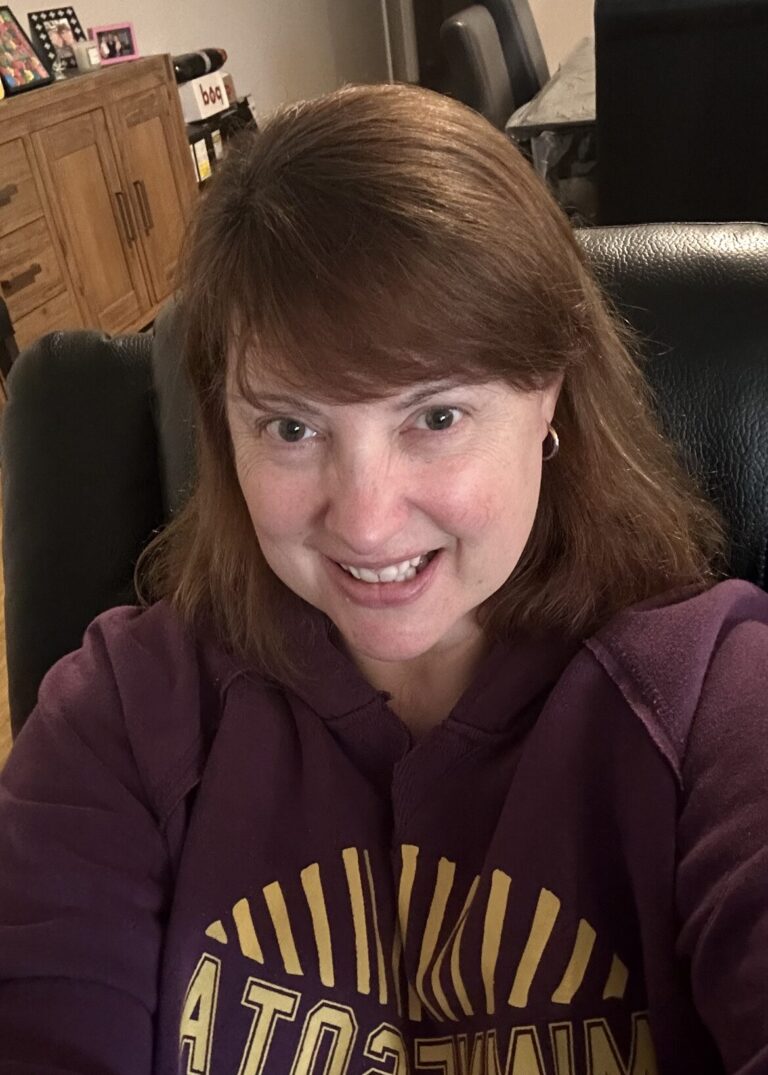
My story begins in January 2010 on a Club Med holiday in the Whitsundays. Out of nowhere, acute abdominal pain struck. Daily visits to the island medical centre followed, and when I returned to Sydney, my GP attributed my symptoms to Hashimoto’s thyroiditis. I was sceptical, but life continued with episodic pain, severe constipation and many GP visits.
By late 2010, I was referred to a gastroenterologist who, after an endoscopy and gastroscopy, declared me cancer-free and dismissed my symptoms as IBS in a middle-aged woman with a poor diet. He prescribed Epsom salts and monthly Pico-Prep. Despite ongoing appointments, he refused to look further. It was arrogance at its worst.
Crisis Point: June 2012
By mid-2012, I barely knew how I was functioning. Massive weight loss, constant vomiting, severe constipation and radiating abdominal pain were my daily reality. I kept showing up for work, hiding my suffering from my young daughter. Ironically, I worked in a hospital, yet no one was listening. Even my GP urged me to see a psychiatrist.
On a Friday in June 2012, with my daughter at her father’s, I took myself to the emergency department. They gave me morphine, the first pain relief I’d had in years, and contacted a new gastroenterologist. It was the first time anyone had ordered a CT scan.
Within 20 minutes, an on-call surgeon was in my room. My small bowel was entirely blocked by a sizeable tumour, with significant metastatic spread throughout my abdomen. I went straight to theatre. The surgeon removed 40 cm of small bowel including a 20 cm tumour, but the cancer was widespread across mesentery, colon, pelvis and liver. The following day, he sat on my bed and told me I had around four to six weeks to live.
Diagnosis and a Surprising Relief
When the histopathology returned six days post-surgery, everything made sense. A slow-growing cancer: Carcinoid, or Neuroendocrine Tumour, a term only just coming into use at that time. My feelings? Overwhelmingly, relief. Validated after two and a half years of being dismissed. Some anger, too, but mostly relief to finally have a diagnosis I could understand and act on.
That moment was an epiphany. I would no longer leave my health in the hands of clinicians who dismissed or misunderstood me. Self-advocacy became my foundation, and I have never looked back.
Finding Support and Advocacy
Research began immediately. I found the Unicorn Foundation (now Neuroendocrine Cancer Australia) online, then a young organisation but a lifeline nonetheless, offering patient stories, resources and a Facebook community. Back then, the co-founders did everything, from running Sydney support groups to providing guidance and reassurance directly to patients. That personal care was truly life-changing. Now, after years of advocacy by NECA, the support has grown into a much larger team, but the quality of care and connection remains just as strong as it was in those early days.
Neuroendocrine Cancer Australia (NECA) has grown enormously since 2012, and watching that transformation has been wonderful. What was once unthinkable, a dedicated support nurse in every state and territory, is now a reality. NECA’s advocacy efforts have ensured that patients are heard, supported and connected to specialist care. The nursing helpline has been an invaluable resource for me personally, and the standard of support offered is second to none.
Thank you to the NECA team, the Board, and every patient who gives their time to advocate for and fundraise on behalf of this community. Your efforts make an enormous difference. While the support available since 2012 has come a long way, there is still so much more to be done. NECA is the only not-for-profit medical charity in Australia dedicated solely to supporting neuroendocrine cancer patients and their families. I encourage anyone who can to support NECA, whether through donations, fundraising or simply spreading the word. Every contribution helps ensure that no patient has to navigate this diagnosis alone.
Please advocate for yourself and your own health. I learned this the hard way. Since 2012, I have been relentless in finding clinicians who listen, who understand Neuroendocrine Cancer, and who will partner with me in managing my health. Do not settle for less.