Allison, W.A.
- Small Bowel
This experience has made me a firm believer in screening, early diagnosis, and specialist NET care. I feel incredibly lucky — and grateful — that my NET was found at such an early, treatable stage.
Name: Jacqueline Gillespie
NET Type:
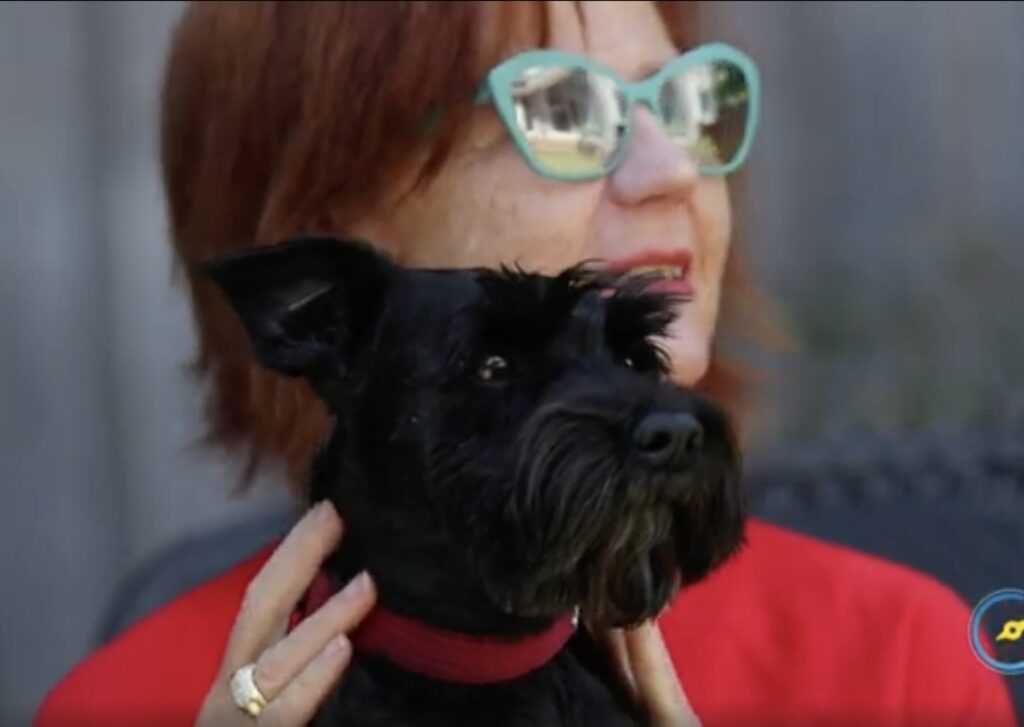
Jacqueline, 62 years old and diagnosed with a NET.
For Jacqueline and her partner Meg, her diagnosis came as a surprise and led to some life-changing decisions about her work-life balance.
“I was diagnosed with neuroendocrine cancer, which was a big shock to our world… and I did keep working for some time. But, I came to the conclusion that the stress of the job… wasn’t good for my overall well-being… And so the challenge is to find other things to keep you stimulated.”
Like others living with NETs, her symptoms of heart palpitations, breathlessness, and tiredness could easily have been dismissed for other causes such as a heart condition, asthma, or menopause.
“There was never any kind of thing found, there was no conclusion to those episodes. . . so when I think about symptoms to diagnosis, it was probably about 7 years.”
A doctor ordered a scan to examine her bloated abdomen, discovering the tumour. An important thing for Jacqueline and Meg was educating themselves about it and trying to understand what it was all about.
Meg reflects on the stress around the time of diagnosis.
“It had been highlighted that something wasn’t quite right… It was quite overwhelming. What Jacq did really well was to educate herself, and get a sense of the prognosis and what the treatments could be. Through that process, we could have open conversations.”
Finding NECA provided Jacqueline and Meg with the support they needed.
“My oncologist put me onto NECA, which is an amazing support organisation that helps patients understand the cancer… and navigate the medical system. It’s really getting yourself educated so you can manage yourself and others.”
Walk, run, or ride this March4NETs!
For its third year, March4NETs will run throughout March 2026.
Get involved and support the 31,000 Australians living with neuroendocrine cancer.