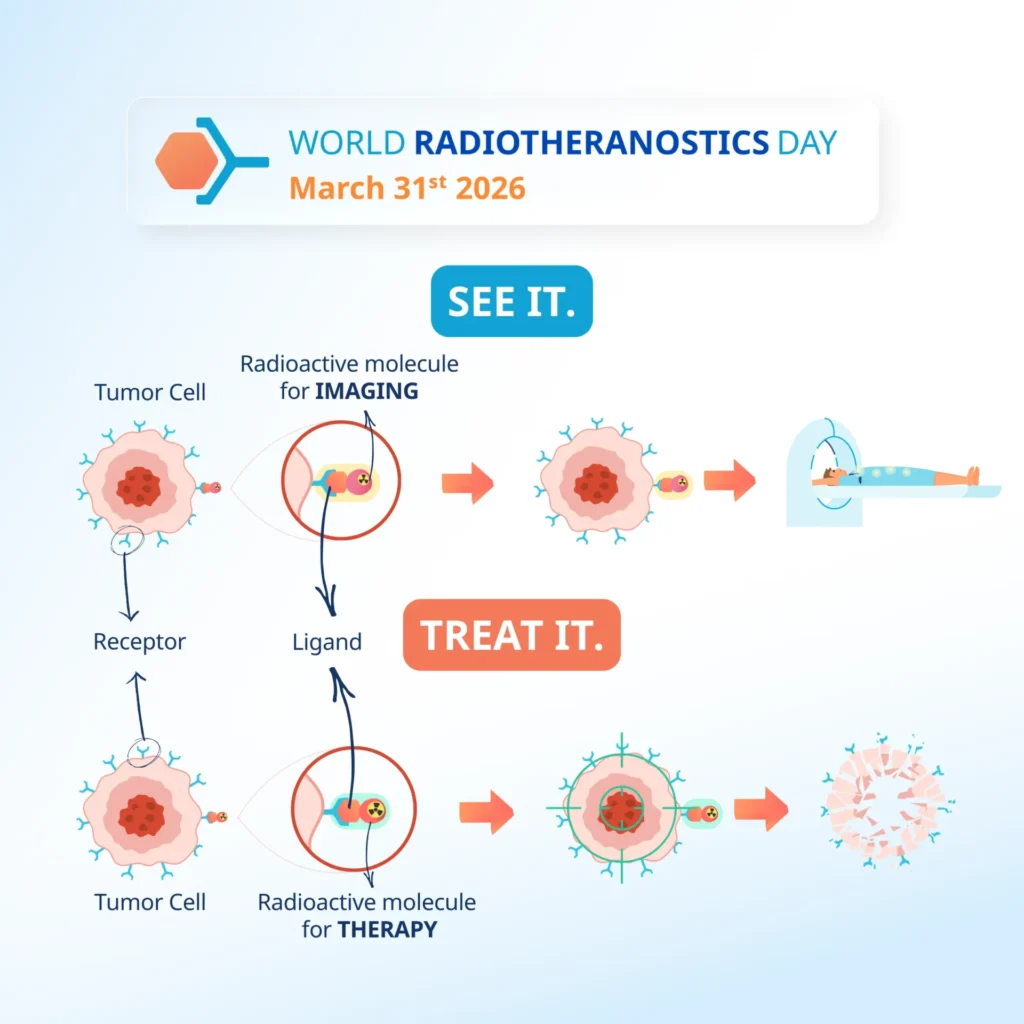
CONTROL NETs is a clinical research study that tested the combination of capecitabine (CAP), temozolomide (TEM) (CAPTEM) and peptide receptor radionuclide therapy (PRRT) for the treatment of advanced pancreatic or midgut neuroendocrine tumours that are not suitable for surgery. The trial has now closed for recruitment having treated 75 patients.
Unicorn Foundation was the major supporter of CONTROL NETs, providing close to $600,000 which made the trial possible. We are so grateful to Tour de Cure for supporting this trial with a donation of $200,000 and very thankful to our Unicorn community for raising the remaining funds through donations and fundraising.
Principal Investigator A/Prof Nick Pavlakis said “We gratefully acknowledge the support of the Unicorn Foundation without whom this study would not have been conducted.”
One of the patients who took part in this trial, Sandra Woods, has thoughtfully taken the time to recount her experience which can be read here. Thank you so much Sandra for sharing your journey through the trial.
The trial was led by the Australasian Gastro-Intestinal Trials Group (AGITG) and coordinated by the National Health and Medical Research Centre Clinical Trials Centre (NHMRC CTC). Principal Investigators were A/Prof Nick Pavlakis and Prof H Turner.
Further information about the CONTROL NETs trial can be found here.