In the very competitive research environment, the development and submission for National Health and Medical Research (NHMRC) grants is an onerous, stressful and demanding task.
During the 2013 round of NHMRC Project Grant Applications, despite positive reviewer comments such as"…this is an excellent project and worthy of support. The scientific quality id high…" and a ranking in the 2nd quartile of Category 5 applications, the CONTROL NETs (APP1069017) grant application was ultimately unsuccessful. Given that only 17% if projects were funded, our group of dedicated clinical researchers were not alone.
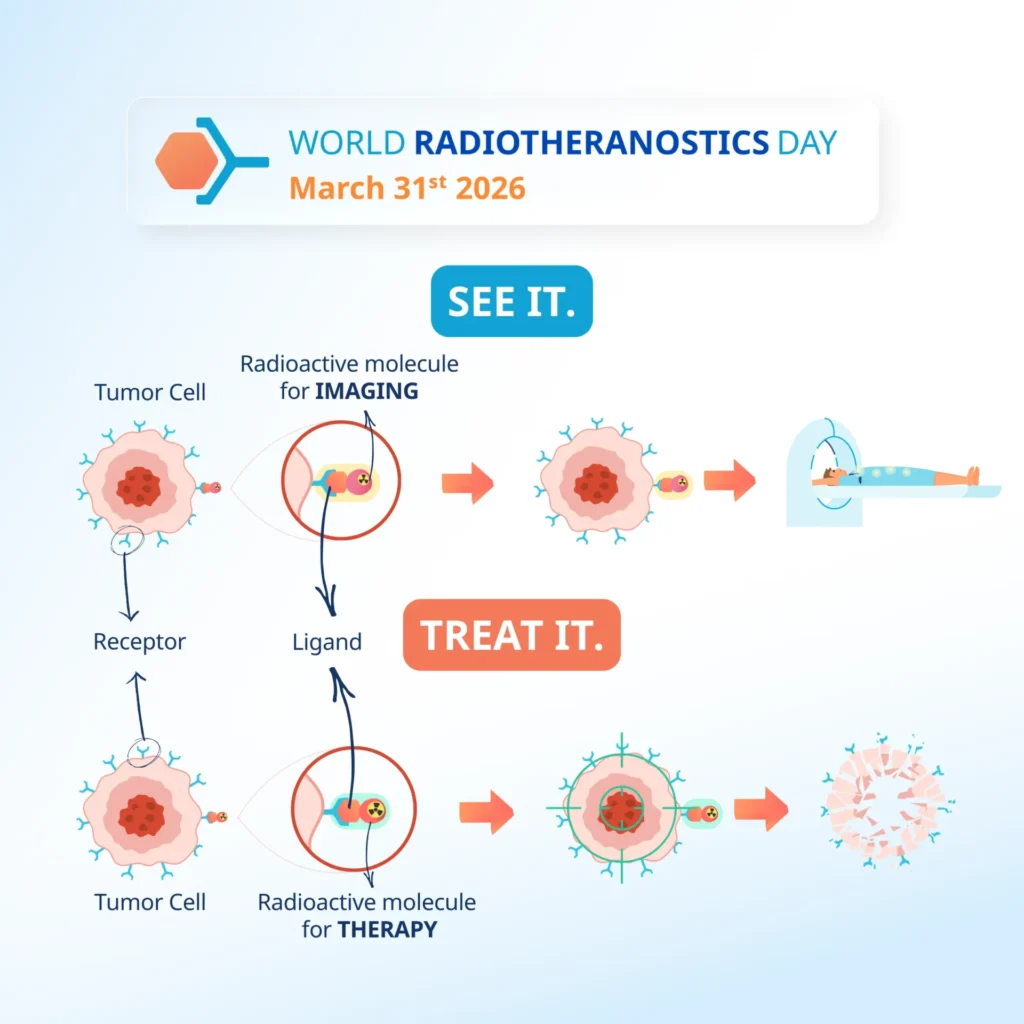
Capecitabine On Temozolamide Radionuclide Therapy Octreotate Lutetium177 for Gastroenteropancreatic Neuroendocrine Tumours (CONTROL NETs) is a vitally important randomised control trial and the results have the potential to change practice and strongly influence the clinical management of NET patients worldwide.
The Unicorn Foundation remains committed to this project and our patients needs are being represented by Dr John Leyden on the research committee.
For all our supporters and donors, this project is still a funding priority for The Unicorn Foundation and we strongly encourage you to give generously so that we can raise $200,000 or more to assist in the running of this trial. If you would like to fundraise for this study, please contact Simone Leyden at simone.leyden@neuroendocrine.org.au