We are pleased to report that the Unicorn Foundation supported trial, CONTROL NETs, which finished recruiting at the end of last year has been accepted for presentation at ASCO (American Society of Clinical Oncology) GI (Gastro-Intestinal) meeting 2020.
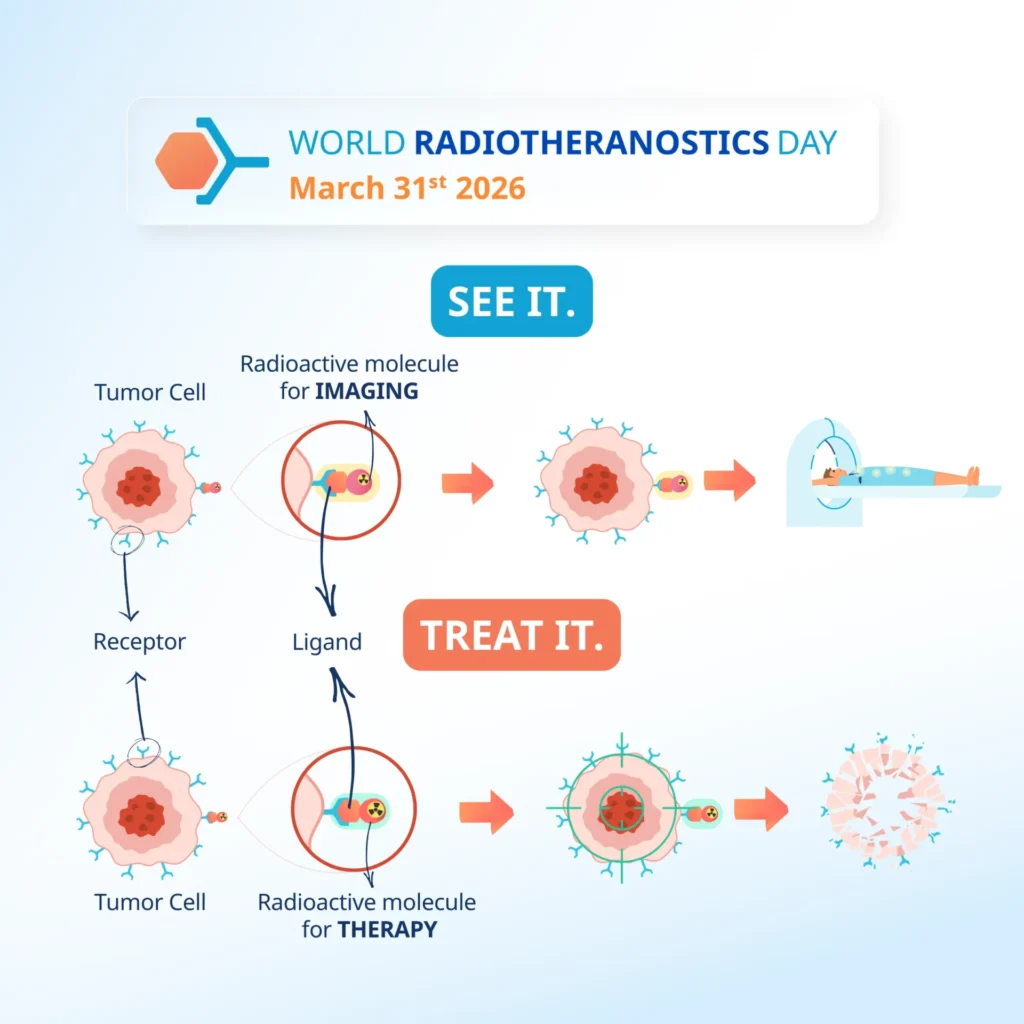
The first results of the Phase II study of 177Lu-Octreotate peptide receptor radionuclide therapy +/- capecitabine, temozolomide for midgut neuroendocrine tumours (mNETs) has been accepted as part of the Rapid Results section and as a poster at ASCO GI 2020 to be held in San Francisco in January.
Titled: First results for Australasian Gastrointestinal Trials Group (AGITG) control net study: Phase II study of 177Lu-octreotate peptide receptor radionuclide therapy (LuTate PRRT) +/- capecitabine, temozolomide (CAPTEM) for midgut neuroendocrine tumors (mNETs).
One of the patients who took part in this trial, Sandra Woods, has thoughtfully taken the time to recount her experience which can be read below. Thank you so much Sandra for sharing your journey through the trial.
Session Information:
Rapid Abstract Session B: Hepatobiliary Cancer, Neuroendocrine/Carcinoid, Pancreatic Cancer, and Small Bowel Cancer
Session Date & Time:
1/24/2020, 7:00 AM-7:45 AM
If you are attending ASCO GI 2020, please come along to the session to hear about this ground breaking trial.