Patient Stories

Every neuroendocrine cancer story is unique.

Here, people with neuroendocrine cancer and their families have shared their personal stories, offering insight, strength and hope to others navigating life with neuroendocrine cancer. Through sharing these experiences the importance of awareness is highlighted, along with the need for early diagnosis, the importance of understanding the disease, advocacy and enabling support throughout every stage of the neuroendocrine cancer diagnosis.

Filter by:
Jo 2a scaled 1

Jo, QLD

  • Pancreatic
In that moment, everything just crumbled. One minute, I was thinking I’d be home in a day or two. The next, I was being told I had stage-four, inoperable cancer.
Joe 1 scaled e1689643416684

Joe, QLD

  • Pheochromocytoma
I still remember asking the young girl doing the ultrasound “So what is that?” expecting her to say something like “Oh that’s your …”. But her more serious and cautious response was along the lines of “You will need to speak to your doctor…”
John

John, NSW

  • Pancreatic
Friends and family look at me and say and think I must be cured as I look so well post lutate. It has taken some “character building” to understand from the start that I have inoperable cancer in terms of resolution.
Image scaled e1689643087839

John, VIC

  • Large Bowel
Having two Primary NETs two years apart is incredibly rare. It highlights that there is still much to learn about this kind of cancer.
Jude SA

Judy, SA

  • Unknown primary
The results showed 15 tumours in my liver. Within days I had a biopsy, which confirmed it was a neuroendocrine tumour. I had never heard of this type of cancer prior to being diagnosed.
Karen Vial

Karen, SA

  • GEP-NET Other
My days and months have been spending time and money on and in medical appointments, tests and scans, rooms, clinics and medications and listening to profoundly specialised medical jargon, which is not always explained fully and sometimes assumed to be common knowledge,
Kim McLean

Kim McLean, QLD

  • Unknown primary
When I was 16 years old (1990) I was quite sick and always tired, I was always vomiting. Eventually I was diagnosed with glandular fever, the doctors said it was very unusual to have the vomiting I had so they never looked for it.
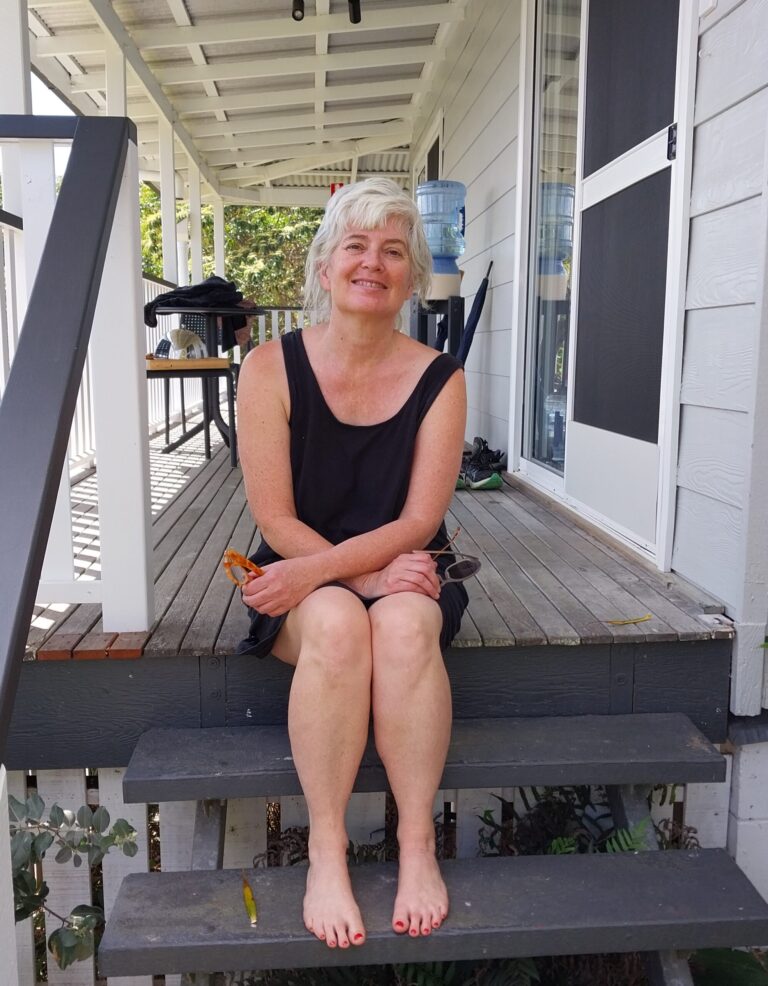
20230916 132335 scaled 1

Kim, TAS

  • Unknown primary
The first thing I did was google NeuroEndocrine Cancer Australia and sign up to their newsletter. The NET nurse in Sydney emailed me in response asking if I wanted a phone call. I remember asking the NETs nurse – “how long have you got to talk with me?”. She talked with me for a long time. I was very scared and sad.
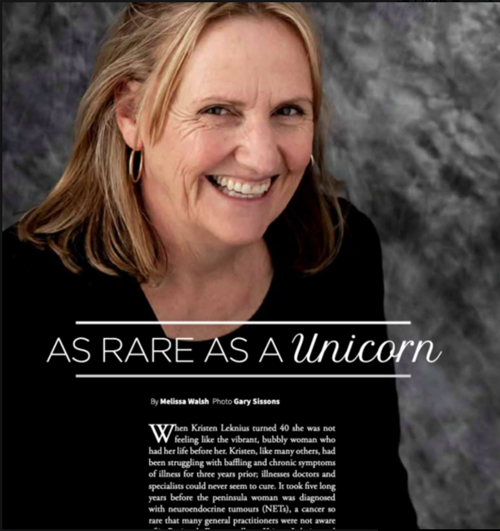
kristen leknius

Kristen Leknius, VIC

  • Pancreatic
After almost 5 years of misdiagnoses, Kristen was diagnosed with NETs at only 43 years of age. Kristen’s initial diagnosis was grim, thankfully a second opinion and access to PRRT treatment successfully reduced her tumour and gave Kristen a second chance at life.
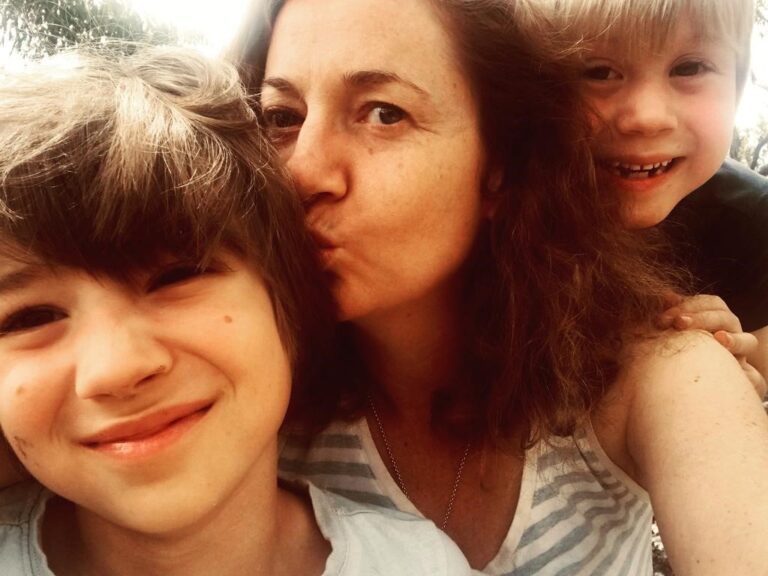
Lana Hallows family

Lana, NSW

  • Pancreatic|Von Hippel-Lindau Syndrome (VHL)
Blurry vision had led to a diagnosis of Von Hippel-Lindau (VHL) disease – a condition where multiple tumours grow in various parts of the body, including the brain, spinal cord, abdominal organs, and eyes.
Lauren Tas

Lauren, Tas

  • Large Bowel
My story shows the inequity patients living with neuroendocrine carcinoma. Cancer is cancer. It should not matter what type you have. Every patient deserves the same access to life-saving treatment.
Lyn Balzer

Lyn Balzer, NSW

  • Rectal
NETS has hugely impacted my life…going from a full and hectic life, of designing objects and exhibiting our art installation works and jewellery, everything had to stop so I could just focus one day at a time.
DSC00049 2 scaled 1

Lynda Dunstone, ACT

  • Pancreatic
Like so many others, it took 2 years from my first scans showing tumours to be diagnosed with NETS. It was long, frustrating and physically and emotionally draining not only on me, but also my family.

Walk, run, or ride this March4NETs!

For its third year, March4NETs will run throughout March 2026.

Get involved and support the 31,000 Australians living with neuroendocrine cancer.