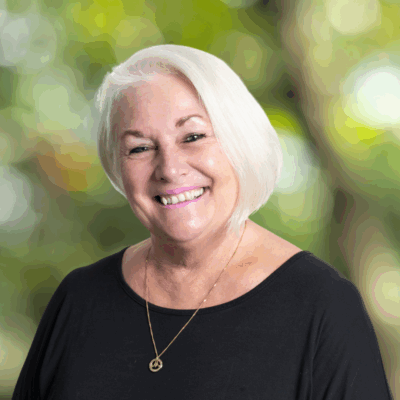
Meredith Cummins is CEO of NeuroEndocrine Cancer Australia and incoming President of the International Neuroendocrine Cancer Alliance, representing patient advocacy groups worldwide.
Every World Cancer Day, I wait for the noise. The headlines about how far we have come in cancer care, the announcements of new investments, and the outpouring of support for the cancers we know well. And every year, it is a stark reminder of the gaps that remain.
That reality is clear because every day we work with people living with neuroendocrine cancer, a complex disease that requires specialist care and often lifelong management. Despite being the seventh most commonly diagnosed cancer in Australia, people with neuroendocrine cancer too often find their care falls short of the standards we rightly expect from a world-class health system.
Australia is often recognised internationally for the quality of its cancer care. For many cancer types, that reputation is well earned. But for thousands of people living with neuroendocrine cancer, access to coordinated, specialist support remains inconsistent and, in many cases, dependent on where they live.
Neuroendocrine cancers behave very differently to more familiar cancers. They are often slow growing, difficult to diagnose, and managed across multiple organs and specialties over many years. This complexity is precisely why specialist care, including dedicated neuroendocrine cancer nurses, is essential.
Despite this, people with neuroendocrine cancer often find themselves navigating an extraordinarily complicated system with little coordinated support. Across Australia, there is no consistent, nationally funded approach to specialist neuroendocrine cancer nursing in the hospitals. This gap exists despite clear recommendations from the Senate Inquiry into Rare and Less Common Cancers, including neuroendocrine cancer, which recognised the critical role of specialist cancer nursing in improving outcomes and patient experience and was supported by the Federal Government.
Australia has many highly skilled cancer nurses working across a range of tumour types, and their contribution to patient care is vital. However, neuroendocrine cancer presents unique challenges that are not adequately met through general cancer nursing models. neuroendocrine cancers are often slow growing, complex, and managed over many years, involving multiple organs, specialties and treatment pathways. Without dedicated neuroendocrine expertise, patients can still fall through gaps, even within otherwise strong cancer services.
That is why funding must be directed to specialist neuroendocrine cancer nurse roles, rather than absorbed into broader cancer services, to ensure care reflects the complexity of this disease.
Specialist neuroendocrine cancer nurses are not an optional extra. They are a cornerstone of safe, effective care for people living with neuroendocrine cancer. They help patients navigate the healthcare system, bring treating teams together, manage symptoms, and provide continuity through what is often a long and uncertain journey.
Without this support, patients are left to navigate complex care at the same time they are coping with the physical and emotional impact of cancer. Many describe feeling uncertain and unsupported when guidance matters most.
The absence of specialist nurse support also affects the health system itself. When care is fragmented, problems escalate. Patients are more likely to present to emergency departments, experience delays in treatment, or undergo unnecessary investigations. Specialist nurses play a critical role in preventing these outcomes by addressing issues early and ensuring care is coordinated.
The solution is neither complex nor expensive. Funding a specialist neuroendocrine cancer nurse costs approximately $150,000 per year per state. In the context of Australia’s overall health spending, this is a modest investment. The return is significant, not only in improved patient experience, but in more efficient use of health resources.
On World Cancer Day, governments often speak about innovation, early detection and access to new treatments. These are important goals. But equity in cancer care is also about ensuring people are supported throughout their diagnosis and treatment, not left to navigate complexity alone because their cancer is less well understood.
Australia has the expertise, infrastructure and clinical capability to deliver better care for people with neuroendocrine cancer. What is missing is a funded, coordinated commitment to specialist nurse support that reflects the reality of this disease and the needs of those living with it.
Funding specialist neuroendocrine cancer nurses would be a practical, achievable step toward fair access to care. It would align with national recommendations, support patients and families, and ensure that Australia’s reputation for excellence in cancer care truly applies to everyone.
On World Cancer Day, we should ask a simple question. Are all cancer patients in Australia receiving the support they need to live well with their diagnosis in our healthcare system? For people with neuroendocrine cancer, the answer is still no. That is something we can, and should, change.